“We wanted to help the church become confident and competent in what God had already called them to do.”— Cam Woolford
A short-term ministry experience in Argentina and Peru helped Cam Woolford see a future in missions. He had come to faith as a teenager; cross-cultural service became the direction he and his wife would pursue through years of church planting in Latin America.
As he worked in places including Ecuador and Costa Rica, Cam became concerned about what happened after a church was established. A congregation could continue depending on leaders, training, and resources from outside. Starting the church did not by itself establish a way to prepare its next pastors and ministry leaders.
Servant Leaders International focused on helping churches develop people already in their congregations. Its priorities—mentor, mobilize, and multiply—connect instruction and personal discipleship with ministry responsibilities and the preparation of others.
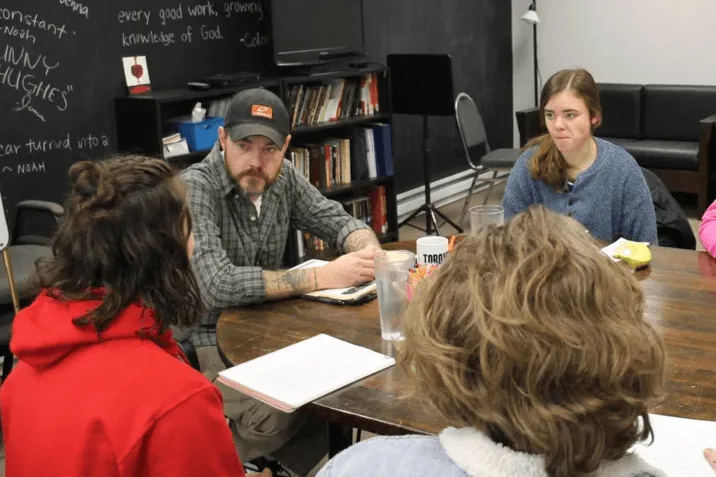
In practice, that means leaders learn while remaining part of their local church. Mentors know the people and circumstances involved. Students have opportunities to serve, receive feedback, and take on responsibility without separating their training from the congregation that needs them.
Expanding that work brought questions of cost, access, and cultural fit. A partnership with Anchor Christian University helped develop certificate and educational pathways connected to local ministry. Local facilitators and church leaders could remain involved in the learning process.
The partnership also required attention to how training would work in each setting. Importing a program was not enough. Courses, mentoring, and administration needed people who understood the language, culture, and needs of their communities.
For Cam, local ownership is a practical measure of the work. The aim is for churches to have people who can lead and prepare others, with a process they can continue using. His conversations about training return to that responsibility within the congregation.